Ceramic Backing vs Traditional Materials in Welding Applications
Understanding Ceramic Backing in Welding Applications
What is Ceramic Backing?
Ceramic backing refers to a specialized material used in welding processes to enhance the quality and performance of welds. This material, typically composed of ceramic compounds, serves as a support for the molten metal during welding. When the welder applies heat, the ceramic backing provides a stable surface that helps maintain the desired weld geometry. This backing material can withstand high temperatures and protect the weld area from contamination, ensuring a cleaner and stronger bond. It is particularly useful in applications where precision and durability are crucial, such as in the aerospace and marine industries.
The Role of Ceramic Materials in Welding
Ceramic materials play a pivotal role in the welding process by offering thermal resistance and structural integrity. They act as a shield against oxidation and other environmental factors that can compromise the weld quality. In processes like TIG (Tungsten Inert Gas) and MIG (Metal Inert Gas) welding, the ceramic backing supports the molten pool, preventing sagging and distortion. Additionally, ceramics can absorb excess heat, reducing the risk of warping in heat-sensitive metals like aluminum. The use of ceramic materials aligns well with advancements in automation and precision welding, making them an essential component in modern welding applications.
Benefits of Using Ceramic Backing for Welds
Integrating ceramic backing for welds offers numerous advantages. One significant benefit is the enhancement of weld quality. The stability provided by ceramics leads to better penetration and fusion of the weld metal, resulting in stronger joints. Welders also experience improved aesthetics, as the ceramic backing minimizes defects such as undercuts and porosity. Furthermore, the use of ceramic materials can reduce the need for post-weld cleaning and finishing, saving time and labor costs. The durability of ceramic backings ensures they can be reused multiple times, making them a cost-effective solution for welders seeking efficiency without compromising quality.
Comparing Ceramic Backing to Traditional Backing Materials
Common Traditional Backing Materials in Welding
Traditional backing materials in welding include metal strips, wood, and other non-ceramic options. Metal backing strips are often used in heavy-duty applications, providing a sturdy support to the weld pool. However, they can lead to distortion due to thermal expansion. Wood, while cheaper and easily accessible, poses risks of combustion and contamination, ultimately jeopardizing weld integrity. Other non-ceramic materials might not withstand the high temperatures involved in welding, leading to premature failure. Each of these traditional materials has its drawbacks, prompting many welders to explore ceramic backing as a preferable alternative.
Performance Comparison: Ceramic vs. Traditional
When comparing the performance of ceramic backing to traditional backing materials, ceramics consistently outperform their counterparts in critical areas. Ceramic backings exhibit superior thermal stability, resisting extreme heat without deforming or degrading. This quality allows for better heat management during the welding process, enhancing the overall quality of the weld. Traditional materials, such as metal strips, can warp and lead to inconsistencies in the weld, while wood can introduce contaminants into the weld pool. The ability of ceramic backing to maintain weld geometry and minimize defects positions it as a premium choice for professional welders looking for reliability and precision.
Cost Analysis of Ceramic Backing vs. Traditional Materials
The initial cost of ceramic backing materials may appear higher than traditional options, but a comprehensive cost analysis reveals significant long-term savings. Ceramic backings, designed for durability and reusability, reduce the frequency of replacements. Traditional materials often require frequent replacement due to wear and thermal damage. Additionally, the enhanced quality of welds achieved with ceramic backing leads to lower rates of rework and repair, further reducing expenses. Ultimately, investing in ceramic backing not only improves welding outcomes but also proves economically advantageous for businesses aiming to optimize their welding operations.
Applications and Innovations in Welding with Ceramic Backing
Ceramic Backing in TIG and MIG Welding
Ceramic backing finds extensive application in TIG and MIG welding processes. For TIG welding, the precision and control afforded by ceramic backings enhance the welder's ability to create high-quality welds in thin materials. The backing stabilizes the molten pool, preventing defects and ensuring a consistent bead appearance. In MIG welding, ceramic backings contribute to improved arc stability and heat distribution, particularly when working with aluminum or other heat-sensitive metals. The adaptability of ceramic materials in these processes underscores their growing popularity among welders seeking to achieve superior results across various materials and thicknesses.
Using Ceramic Backing in Plasma Cutting and Laser Welding
The integration of ceramic backing extends to plasma cutting and laser welding, showcasing its versatility. In plasma cutting, ceramic materials can provide a stable edge that enhances the precision of the cut, reducing the likelihood of warping in the material. The thermal properties of ceramics help in managing the heat generated during the cutting process, leading to cleaner edges and reduced post-processing. Laser welding also benefits from ceramic backings, as they can help focus the laser beam more effectively, improving the penetration and quality of the weld. Innovations in welding technology continue to explore the potential of ceramics, enhancing efficiency and performance in these advanced applications.
Advancements in Automation: The Role of Ceramic Backings
As automation technology advances in the welding industry, ceramic backings play a crucial role in enhancing robotic welding processes. Automated systems benefit from the consistent performance and reliability of ceramic backing materials, which ensure that welders can maintain high standards of quality without the variability often associated with manual welding. The integration of ceramic backings into automated solutions also allows for more precise control over temperature and heat distribution, making it easier to work with complex geometries and various materials. Companies like Gullco International and Voestalpine are at the forefront of these advancements, continually developing innovative solutions that maximize the potential of ceramic materials in welding applications.
Best Practices for Welders Using Ceramic Backing
Choosing the Right Ceramic Backing Material
Selecting the appropriate ceramic backing material involves considering factors like the type of welding process, the metals being welded, and the specific application requirements. Different ceramics offer varying degrees of thermal resistance and structural integrity, making it essential for welders to match the material properties with their project needs. For instance, using a more robust ceramic backing may be beneficial for high-heat applications, while a lighter ceramic may suffice for less demanding tasks. Consulting with manufacturers or industry experts can provide valuable insights into the best options available, ensuring welders achieve optimal results.
Protective Gear and Welding Helmets for Optimal Safety
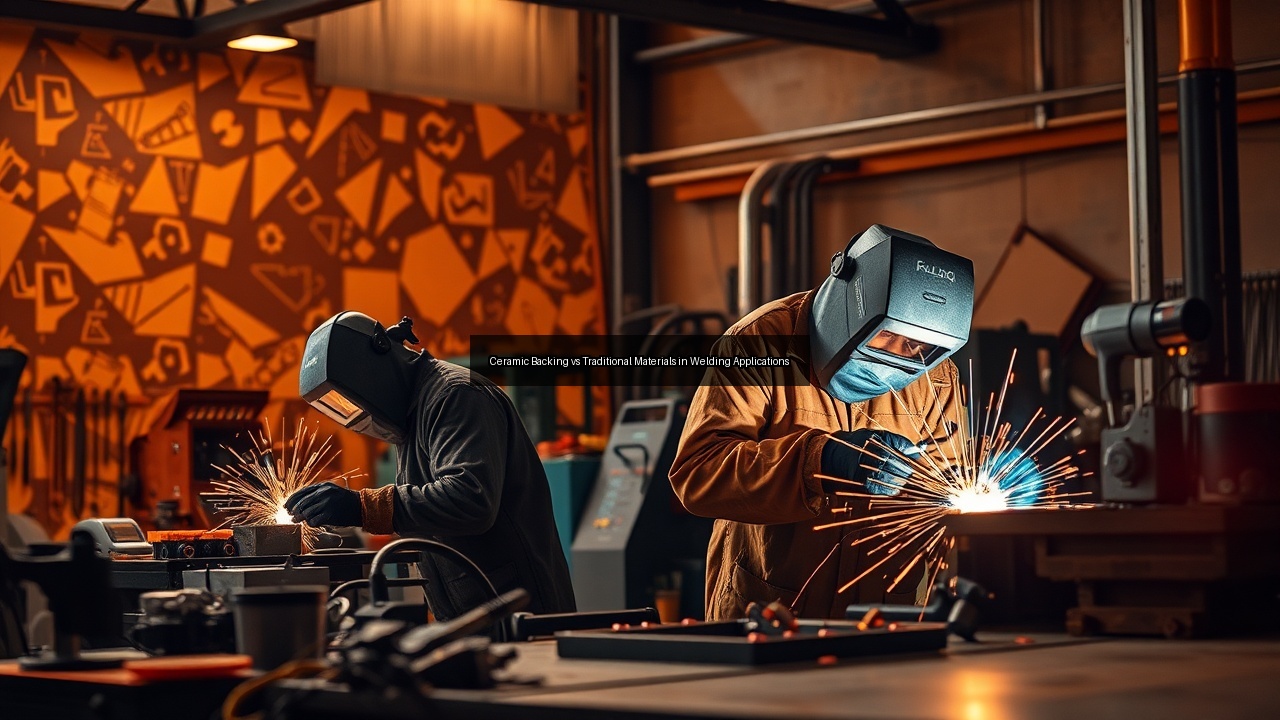
Safety remains a paramount concern for welders using ceramic backing. The high temperatures and potential hazards associated with welding necessitate the use of appropriate protective gear. Quality welding helmets equipped with proper filters protect the welder's eyes from harmful UV and infrared radiation. Additionally, wearing flame-resistant clothing, gloves, and other protective gear minimizes the risk of burns and injuries. Ensuring that protective equipment is in good condition and suitable for the specific welding processes enhances safety, allowing welders to focus on their work without unnecessary distractions.
Tips for Achieving Quality Welds with Ceramic Backing
To achieve high-quality welds when using ceramic backing, welders should focus on several key practices. First, maintaining a clean work area is vital; any contaminants can compromise weld integrity. Second, welders should ensure proper fit-up and alignment of the workpieces to facilitate even heat distribution. Adjusting the welding parameters—such as voltage, amperage, and travel speed—based on the specific ceramic backing used can also enhance weld quality. Finally, regular inspection of the welds will identify any issues early on, allowing for prompt corrections. Implementing these best practices will maximize the benefits of ceramic backing, resulting in strong, reliable welds.