Machinists Weigh In on the Best Practices for Machining Plastics
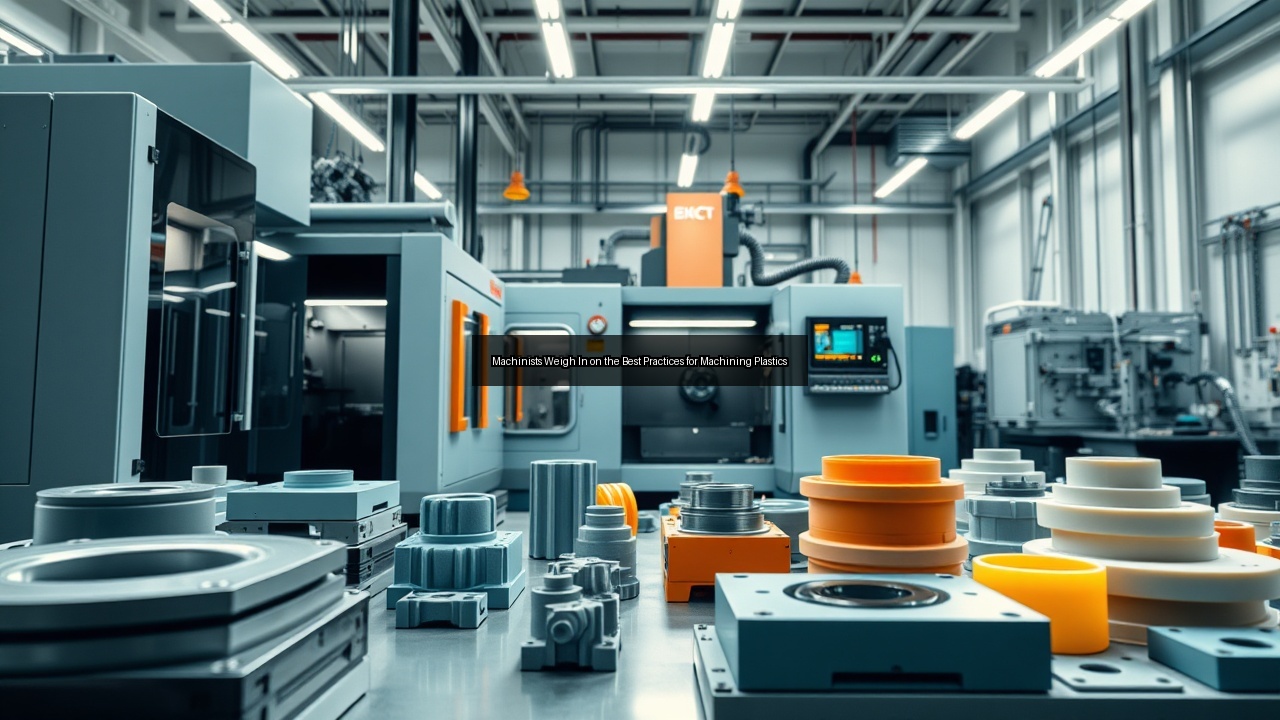
Understanding the Importance of Machined Plastic Components
The Role of Engineering Plastics in Modern Manufacturing
Engineering plastics play a crucial role in modern manufacturing, offering a range of benefits over traditional materials like metals. These versatile materials possess excellent mechanical properties, resistance to chemicals, and lightweight characteristics. Machined plastic components, machined plastic part such as those crafted from polycarbonate, nylon, and acetal, are increasingly popular in industries ranging from automotive to aerospace. Their ability to withstand harsh environments while maintaining dimensional stability makes them ideal for precision applications. Manufacturers appreciate how engineering plastics can reduce weight and improve efficiency, leading to overall cost savings. Furthermore, advancements in plastic fabrication techniques enable machinists to achieve intricate designs, enhancing product functionality. The shift towards using engineered plastics reflects a broader trend in seeking materials that enhance performance without compromising on sustainability.
Common Applications of CNC Machined Plastic Parts
CNC machined plastic parts find their way into a myriad of applications across diverse sectors. In the medical field, components made from machined plastics are essential for producing lightweight, sterilizable devices that meet strict specifications. Automotive manufacturers utilize these parts for interior components, such as dashboards and panels, where weight reduction directly impacts fuel efficiency. The electronics industry benefits from using plastic machined components for housings and insulators, which provide excellent dielectric properties. Additionally, in consumer goods, companies leverage CNC machining to create custom parts that enhance the user experience. This versatility underscores the significance of machined plastic parts, as they contribute to innovative designs and improved product performance, making them integral to contemporary manufacturing processes.
Best Practices in CNC Machining for Plastics
Choosing the Right CNC Machinery for Plastic Fabrication
Selecting the appropriate CNC machinery is vital for effective plastic plastic cnc machined components fabrication. Different types of plastics require specific machining techniques and tools to achieve optimal results. Machinists must assess the properties of the plastic, such as its hardness and thermal stability, to choose suitable equipment. For example, softer plastics may require slower spindle speeds to prevent melting, while harder composites can withstand higher speeds. Additionally, specialized tooling designed for plastic machining, such as single-flute end mills, can enhance cutting efficiency and finish quality. Understanding the nuances of CNC machinery allows machinists to optimize their operations, ensuring consistency and precision in the production of machined plastic components. Investing in high-quality machinery not only elevates the quality of the parts but also increases overall productivity within plastic cnc machined components the manufacturing environment.
Optimizing Cutting Speeds and Feed Rates for Plastics
Determining the right cutting speeds and feed rates for plastics is essential in CNC machining. Each type of plastic has unique characteristics that influence how it responds to machining processes. For instance, softer materials like acrylic tend to melt under excessive heat, necessitating lower cutting speeds and adjusted feed rates to maintain a clean cut. Conversely, tougher plastics like nylon may tolerate higher speeds but require careful monitoring to avoid wear on tools. Machinists often conduct tests to find the ideal balance between speed and feed rate, maximizing efficiency while minimizing defects. Furthermore, maintaining optimal cooling during machining helps prevent thermal deformation and ensures consistent tolerances and dimensions in machined components. By refining these parameters, manufacturers can significantly enhance the quality and reliability of their plastic machined parts.
Maintaining Tolerances and Dimensions in Machined Components
Precision in maintaining tolerances and dimensions is critical when machining plastics. Variations in temperature can lead to expansion or contraction, affecting the final dimensions of machined components. Machinists should implement rigorous measurement techniques and utilize advanced CNC machinery to ensure that specifications are met consistently. Regular calibration of equipment and adherence to strict quality control protocols help mitigate discrepancies. Additionally, utilizing software for simulation can predict how materials will behave during machining, allowing for adjustments before production begins. Consistent monitoring throughout the machining process ensures that the final product aligns with the intended design, which is vital for applications requiring high precision. By focusing on accurate tolerances, manufacturers can enhance the performance and reliability of their machined plastic components.
Surface Finishing Techniques for Machined Plastics
Exploring Surface Treatments for Enhanced Durability
Surface finishing plays a significant role in enhancing the durability of machined plastics. Various surface treatments, such as coatings and polishing, can improve resistance to wear, chemicals, and UV degradation. Techniques like anodizing or applying protective films can significantly extend the lifespan of plastic components in harsh environments. Machinists should consider the end-use of the product when selecting a surface treatment, as different applications may require specific properties. For example, medical devices often require surfaces that can withstand sterilization processes, while automotive parts may need treatments that enhance scratch resistance. By implementing appropriate surface finishing techniques, manufacturers can improve the functionality and longevity of their machined plastic parts, catering to the demands of their respective industries.
The Impact of Surface Finishing on Aesthetics and Functionality
Surface finishing does not just enhance durability; it also affects the aesthetics and functionality of machined plastic components. A well-finished surface can improve the visual appeal of products, making them more marketable. Techniques such as bead blasting or sandblasting create uniform textures that can enhance grip or reduce glare. Furthermore, smooth finishes can facilitate better sealing and reduce friction in moving parts, improving overall performance. Companies often invest in surface finishing as a way to differentiate their products in competitive markets. The interplay between aesthetics and functionality highlights the importance of surface treatments in the production of CNC machined plastic parts, emphasizing the need for skilled machinists who understand these nuances.
Future Trends in Machining Technology for Plastics
The Rise of Robotics in Plastic Machining
The integration of robotics into plastic machining represents a significant advancement in manufacturing technology. Robots enhance precision and efficiency, particularly in repetitive tasks such as loading, unloading, and quality control. This automation reduces human error and increases production rates for CNC machined plastic parts. Furthermore, robots can operate in environments that are hazardous for humans, improving workplace safety. As technology evolves, the collaboration between robots and CNC machinery will become more sophisticated, allowing for real-time adjustments and optimizations during the machining process. Companies that adopt robotic solutions will likely experience a competitive edge, as they can produce high-quality machined plastic components faster and with greater accuracy.
Innovations in Batch Production of Machined Plastic Parts
Innovations in batch production techniques are transforming the landscape of machining technology for plastics. Advanced CNC machinery now incorporates features like multi-axis capabilities and adaptive machining, enabling manufacturers to produce complex geometries with minimal setup time. This flexibility allows for smaller batch sizes without sacrificing quality or increasing production costs. Additionally, the use of digital twins and simulation software enables manufacturers to visualize and optimize production workflows before actual machining begins. Such innovations lead to increased efficiency and reduced waste, aligning with sustainability goals in the industry. As manufacturers continue to embrace these advancements, the future of batch production for CNC machined plastic components appears promising, paving the way for more agile and responsive manufacturing processes.
See Also
- Unlocking the Potential of Machined Plastic Components in Modern Engineering
- Understanding Tolerances and Specifications for Machined Plastic Parts
- Exploring the Benefits of Using CNC Machined Plastic Parts in Manufacturing
- Maximizing Efficiency in CNC Machining for Plastic Components
- The Rise of Composite Materials in Machined Plastic Components