From Design to Delivery the Art of Custom Process Hoppers
Understanding Custom Process Hoppers
The Importance of Customization in Material Handling
Custom process hoppers deliver precise control over material flow in demanding environments. Companies gain real advantages when they specify exact shapes and features instead of settling for off-the-shelf units. Customization matches hopper geometry to the exact properties of bulk materials, reducing clogs and improving throughput. Engineers evaluate flow characteristics early, then adjust wall angles and discharge points to match production rates. This tailored approach cuts downtime and lowers maintenance costs across manufacturing lines. The reason many operations switch to custom hoppers lies in their ability to integrate directly with existing silos and pallet racks without costly retrofits. Custom process hoppers also support future expansion by allowing modular additions that keep pace with changing volumes.
Key Features of Effective Process Hoppers
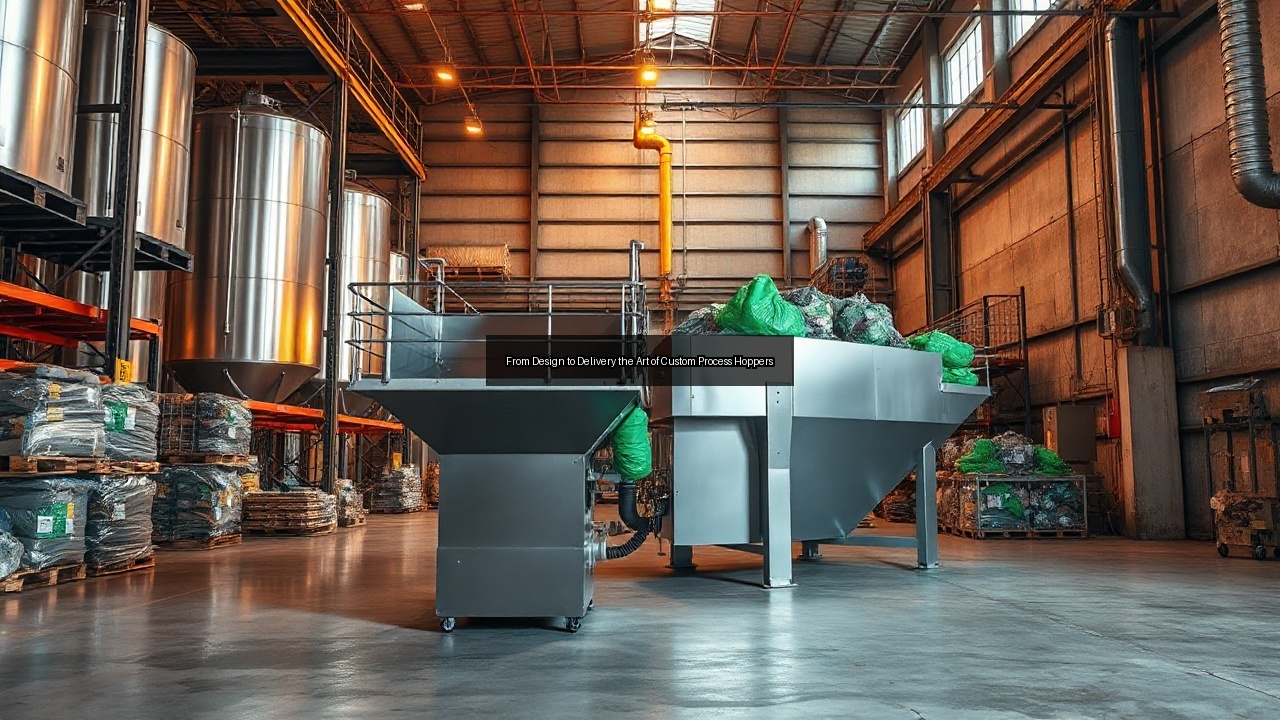
Effective process hoppers combine robust construction with thoughtful details that boost daily output. Steep cone sections promote consistent discharge while gates regulate release rates with accuracy. Rounded transitions eliminate dead zones where material can accumulate. Integrated sensors track levels and alert operators before shortages occur. Casters add mobility so teams can reposition units quickly during layout changes. Guardrails protect workers and equipment during loading cycles. These features work together to maintain steady flow from storage through the conveyor system. Manufacturers rely on custom process hoppers because each detail addresses a specific operational pain point rather than generic assumptions about material behavior.
Common Applications Across Industries
Custom process hoppers serve food processing, chemical production, mining, and recycling facilities with equal effectiveness. In warehousing they hold ingredients or finished goods above packaging stations. Pharmaceutical lines use stainless steel versions to meet strict hygiene standards. Scrap yards deploy larger metal hoppers to manage irregular waste streams before further processing. Agricultural operations store grain and feed in units sized for seasonal peaks. Each sector benefits from hoppers engineered around its unique bulk materials and safety requirements. The versatility of custom process hoppers explains their growing presence wherever precise material handling determines overall productivity.
Materials and Construction of Custom Hoppers
Choosing the Right Material: Stainless Steel vs. Sheet Metal
Stainless steel offers corrosion resistance and easy cleaning for food and pharmaceutical applications. Its smooth surface prevents contamination and withstands aggressive wash-down procedures. Sheet metal provides a cost-effective alternative when the environment poses fewer corrosion risks. Fabricators can form sheet metal into complex shapes quickly, keeping lead times short for standard projects. Both materials accept coatings that further extend service life. The choice ultimately depends on the chemical makeup of bulk materials and required sanitation protocols. Custom process hoppers built from either option maintain structural integrity under repeated loading cycles while supporting long-term operational goals.
The Role of Concrete in Hopper Design
Concrete foundations anchor large custom hoppers that handle heavy bulk materials in permanent installations. Reinforced pads distribute weight evenly and resist vibration from nearby conveyor systems. Some designs embed steel liners inside concrete shells to combine mass with smooth internal surfaces. This hybrid approach reduces noise and vibration transmission throughout the facility. Concrete also provides excellent thermal mass for temperature-sensitive processes. Engineers calculate load paths carefully so the finished structure meets both functional and seismic requirements without excess material.
Fabrication Techniques for Custom Hoppers
Modern fabrication begins with detailed CAD models that translate customer specifications into precise cut lists. Laser cutting delivers clean edges on stainless steel and sheet metal components. Welders use TIG processes for sanitary seams and MIG for structural joints. Form rolling creates consistent cone sections that promote reliable flow. After assembly, crews apply finishes ranging from passivation to powder coating. Quality checks verify dimensions and weld integrity before shipment. These techniques produce custom process hoppers that arrive ready for immediate installation and integration with pallet racks or conveyor lines.
Design Considerations for Optimal Functionality
Determining Dimensions and Capacity for Bulk Materials
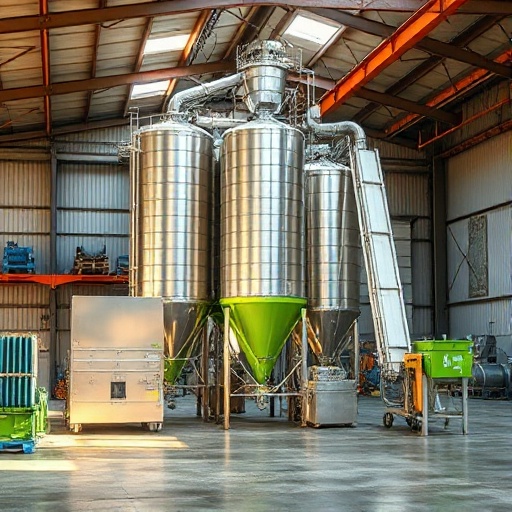
Accurate dimensioning starts with material density and desired storage volume. Engineers calculate hopper height and diameter to fit available floor space while meeting production targets. Steeper walls reduce bridging in cohesive materials, yet they must still clear doorways during delivery. Capacity planning accounts for surge volumes that occur during shift changes or equipment downtime. Custom process hoppers sized correctly prevent both overflow and starvation of downstream equipment. Proper calculations also consider headroom above the unit for maintenance access and future expansions.
Incorporating Gates and Cone Designs for Flow Control
Gates provide on-demand control over discharge rates and allow complete shutoff during maintenance. Slide gates, iris valves, and rotary feeders each suit different material types. Cone angles receive equal attention because small changes dramatically affect flow consistency. Mass-flow cones ensure first-in, first-out movement, which matters for perishable or segregating bulk materials. Custom process hoppers often combine multiple gate options so operators can switch between trickle feed and rapid emptying without mechanical changes.
Integrating with Conveyor Systems and Pallet Racks
Successful integration places the hopper discharge directly above the conveyor inlet to eliminate transfer points. Adjustable legs and mounting plates align the unit with existing pallet racks for efficient loading from above. Electrical controls tie hopper sensors into the main conveyor system so material moves only when downstream capacity exists. Custom process hoppers designed with these interfaces reduce labor and prevent spills that create housekeeping issues. The result is a seamless material path from storage through processing.
Enhancing Productivity with Custom Process Hoppers
Streamlining Operations in Warehousing and Manufacturing
Custom process hoppers reduce manual handling by positioning materials at the exact height and location needed for the next step. In warehousing they feed packaging lines continuously, keeping workers focused on value-added tasks. Manufacturing plants use them to stage ingredients near mixing stations, shortening cycle times. Because each unit matches the facility layout, forklifts travel shorter distances and congestion drops. Productivity gains appear quickly in both labor hours saved and increased output per shift.
Utilizing Casters for Mobility and Flexibility
Casters transform stationary hoppers into mobile assets that adapt to changing production needs. Heavy-duty models lock securely during use yet allow one or two workers to reposition the unit during layout adjustments. This mobility supports lean manufacturing practices that emphasize flexible work cells. Custom process hoppers on casters move between conveyor lines or temporary storage areas without cranes or extra equipment. Facilities gain the ability to reconfigure material flow overnight instead of waiting for scheduled shutdowns.
The Impact of Guardrails on Safety and Efficiency
Guardrails protect both personnel and equipment around elevated hoppers. They prevent accidental contact with moving gates while still allowing easy access for inspection. Integrated toe boards contain small spills and direct them toward collection points. By reducing incident rates, guardrails keep operations running without interruption. Custom process hoppers equipped with properly designed guardrails satisfy OSHA requirements while supporting higher throughput because teams spend less time on safety interventions.
Sustainability and Recycling in Hopper Design
Adapting Hoppers for Recyclables and Scrap Materials
Recycling operations require hoppers that handle irregular shapes and abrasive content without excessive wear. Reinforced wear plates protect high-impact zones inside units processing scrap metal or plastic. Larger discharge gates accommodate bulky items while still metering flow to downstream sorting equipment. Custom process hoppers built for recyclables often include inspection ports so operators can clear jams quickly. These adaptations keep recycling lines productive while protecting the long-term value of the equipment.
Innovative Features for Eco-Friendly Processing
Modern designs incorporate features that reduce energy consumption and waste. Sealed lids limit dust escape during filling, improving air quality and recovering more material. Variable-speed gates match discharge rates to actual demand, cutting unnecessary conveyor runtime. Some custom process hoppers include collection points for fines that can return to the process instead of becoming waste. These details support company sustainability targets without sacrificing output.
The Future of Custom Hoppers in Sustainable Manufacturing
Future custom process hoppers will combine sensors, automation, and modular construction to meet tightening environmental standards. Real-time monitoring will optimize material use and predict maintenance needs before failures occur. Recyclable components and easier disassembly will extend equipment life while reducing landfill contributions. As manufacturing shifts toward circular models, custom hoppers that handle both virgin and recycled streams will become essential infrastructure. Their continued evolution ensures facilities can improve productivity and sustainability at the same time.