The Hidden Costs of Poor Workholding Fixtures in Production Lines
Understanding Workholding Fixtures and Their Role in Production
The Importance of Accurate Workholding in CNC Machining
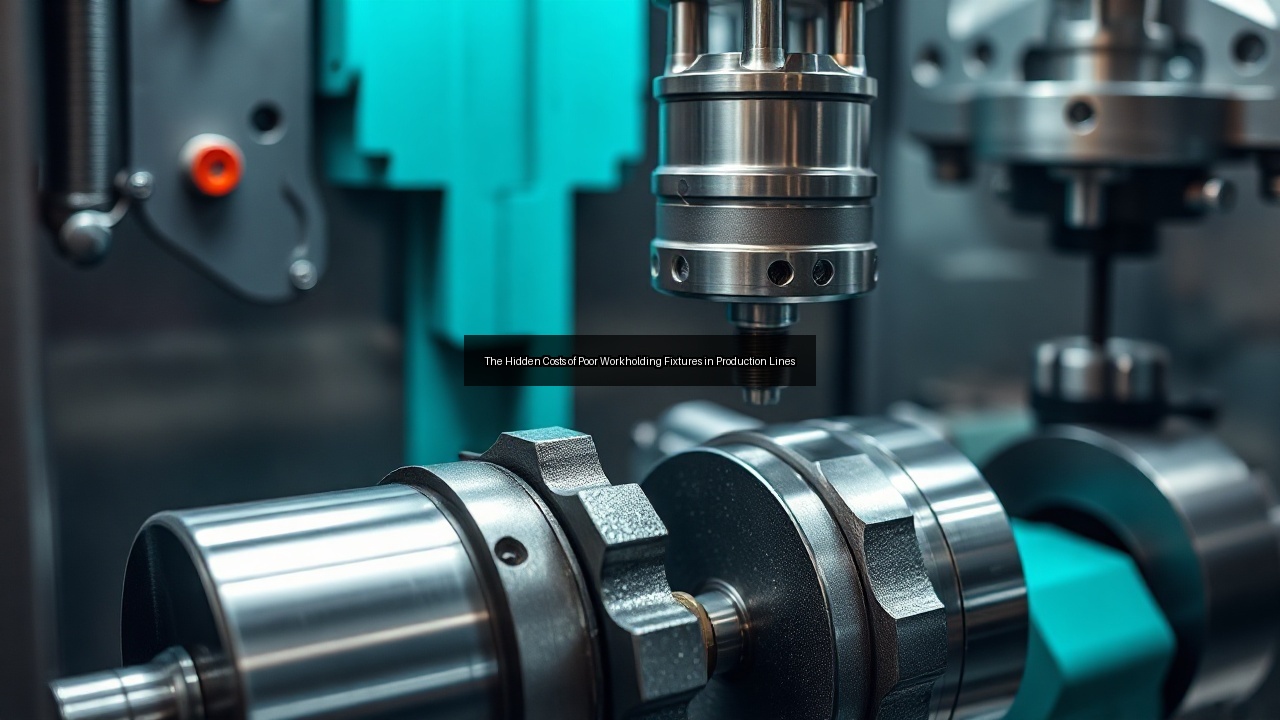
Workholding fixtures play a critical role in CNC machining, ensuring that workpieces remain secure and accurately positioned during the machining process. An accurate fixture guarantees that the CNC machine tool operates at peak efficiency, translating into enhanced precision and reduced cycle times. When workpieces shift or vibrate due to inadequate holding, inaccuracies occur, leading to defective parts that require rework or replacement. Investing in quality workholding fixtures enhances not only the accuracy of the machining process but also the overall reliability of production outputs. Moreover, it minimizes the risk of tool damage, which can be costly. Therefore, understanding the integral role of workholding fixtures in CNC machining is essential for optimizing production processes and achieving high-quality results.
Common Types of Workholding Fixtures in Metal Working
Various types of workholding fixtures exist to accommodate different machining needs in metalworking. Vises, clamps, and jigs are among the most commonly used fixtures. Vises secure the workpiece using two opposing jaws, providing a firm grip for milling and drilling operations. Clamps offer versatility, holding workpieces in place without obstructing the machining area. Jigs, on the other hand, guide the tool to the workpiece, ensuring accuracy and repeatability, especially in batch production. Each fixture type has its unique advantages and applications, depending on the specific requirements of the fabrication process. Understanding these options allows manufacturers to select the most appropriate workholding solutions tailored to their machining tasks, improving workflow and accuracy.
How Workholding Fixtures Affect Workflow Efficiency
The efficiency of a production line hinges on effective workholding fixtures. Properly designed fixtures streamline the workflow by allowing for quick setup and changeover between tasks. When workholding systems are easy to use, operators can spend less time on adjustments and more on actual machining. This increases throughput and reduces downtime, translating directly into cost savings. Additionally, efficient workholding minimizes the risk of part damage or misalignment, which can lead to costly delays. By enhancing workflow efficiency, manufacturers can respond more rapidly to market demands, ensuring they remain competitive in a fast-paced industry. Thus, investing in high-quality workholding fixtures significantly boosts overall production effectiveness.
The Financial Implications of Poor Workholding Solutions
Hidden Costs of Inaccurate Fixture Design
The design of workholding fixtures directly impacts production costs. Inaccurate fixtures lead to hidden expenses that often go unnoticed until they escalate. These costs can manifest as increased scrap rates, as poorly held workpieces are more likely to suffer from defects. Additionally, the need for frequent recalibrations or rework adds to labor costs, further eroding profit margins. Inadequate fixtures can also lead to tool wear, necessitating more frequent replacements of CNC machine tools and driving up maintenance costs. Manufacturers must recognize that investing in high-quality, accurately designed workholding fixtures not only improves product quality but also mitigates these hidden financial burdens, ultimately leading to better profitability.
Impact on Production Speed and Tooling Costs
Poor workholding solutions can significantly slow down production speed. When fixtures do not secure parts effectively, operators may need to pause the CNC machine for adjustments or re-alignments, disrupting the workflow. This downtime accumulates, leading to lost production hours and increased labor costs. Moreover, the inefficiencies caused by inadequate fixtures can result in higher tooling costs. Tools may wear out faster when subjected to excessive force or vibration due to improperly held workpieces. Manufacturers face the dual challenge of reduced output and increased expenses, making it crucial to prioritize the selection of reliable workholding fixtures that enhance both speed and tooling longevity.
Long-term Effects on Manufacturing Pricing
The long-term effects of poor workholding solutions extend beyond immediate costs. Over time, inefficiencies can inflate the overall pricing structure of manufactured goods. If production slows or defects increase due to inadequate workholding, manufacturers may need to raise prices to maintain profitability. This can hinder competitiveness in the market, as customers seek more cost-effective options. Additionally, persistent issues with workholding can lead to a damaged reputation among clients, affecting future business opportunities. Manufacturers must consider these long-term implications when evaluating their workholding systems. Investing in effective solutions ultimately pays off by stabilizing pricing and improving market standing.
Innovative Technologies in Workholding: A Solution to Common Problems
Automation and the Future of Workholding Systems
Automation is revolutionizing the landscape of workholding systems in manufacturing. Automated workholding fixtures enhance precision and consistency, reducing the risk of human error. These systems can adapt to varying workpiece sizes and shapes, allowing for greater flexibility in production. Automated solutions can also integrate with CNC machines, streamlining the machining process and improving overall efficiency. As manufacturers increasingly turn to automation, the future of workholding will likely feature more advanced technologies that simplify the setup and operation of fixtures, enabling faster production cycles and reducing labor costs. Embracing these innovations positions manufacturers to remain agile and competitive in an evolving market.
Hydraulic and Vacuum Fixtures: A Comparative Analysis
Hydraulic and vacuum fixtures represent two innovative approaches to workholding, each offering unique advantages. Hydraulic fixtures utilize fluid power to secure workpieces, providing strong clamping force while ensuring minimal deformation of the part. This makes them ideal for high-precision applications where accuracy is paramount. Conversely, vacuum fixtures use suction to hold lightweight or irregularly shaped components securely. This method allows for quick setups and easy adjustments, making it suitable for diverse machining tasks. Understanding the strengths and limitations of both types of fixtures enables manufacturers to select the best workholding solutions for their specific needs, optimizing both performance and efficiency in production.
Emerging Technologies in Workholding: FDM and SLS Applications
Emerging technologies like Fused Deposition Modeling (FDM) and Selective Laser Sintering (SLS) are making significant strides in the realm of workholding fixtures. FDM allows for rapid prototyping of custom fixtures tailored to specific machining tasks, enabling manufacturers to quickly adapt to new production requirements. SLS, on the other hand, produces highly durable fixtures from powdered materials, offering increased strength and stability. These technologies not only enhance the design and functionality of fixtures but also reduce lead times and costs associated with traditional manufacturing processes. By integrating FDM and SLS into their workholding strategies, manufacturers can achieve greater flexibility and efficiency in their operations.
Best Practices for Selecting and Designing Workholding Fixtures
Key Considerations for Fixture Design in Aerospace Manufacturing
Aerospace manufacturing demands the highest standards of precision and safety, making the selection and design of workholding fixtures critical. Key considerations include the material of the fixture, which must withstand extreme conditions while maintaining accuracy. Additionally, fixtures must accommodate complex geometries often found in aerospace components. Designers should prioritize modular fixtures that offer versatility for different parts and machining operations. Rigorous testing and validation of fixture designs ensure they meet stringent aerospace industry standards, preventing costly errors during production. By adhering to these best practices, manufacturers can enhance the reliability of their workholding solutions and maintain compliance with aerospace regulations.
Balancing Cost and Accuracy in Workholding Tools
Finding the right balance between cost and accuracy is crucial when selecting workholding tools. While it may be tempting to opt for the cheapest option, this often leads to increased expenses down the line due to inaccuracies and inefficiencies. Manufacturers must evaluate the long-term benefits of investing in high-quality fixtures that provide better accuracy and durability. A well-designed workholding fixture minimizes scrap rates and enhances production speed, ultimately leading to lower overall costs. Conducting thorough cost-benefit analyses helps manufacturers make informed decisions that align with their production goals while ensuring profitability.
Maximizing Efficiency with Jigs and Tooling Solutions
Jigs and tooling solutions play an essential role in maximizing efficiency in production environments. Implementing jigs allows for precise alignment and repeatable machining processes, reducing setup times and increasing throughput. Tooling solutions that integrate seamlessly with workholding fixtures enhance the overall workflow, enabling operators to transition between tasks with minimal downtime. Investing in high-quality jigs and tools simplifies the production process, ensuring consistent results while minimizing the risk of defects. By prioritizing these solutions, manufacturers can optimize their operations and achieve greater efficiency across their machining processes, securing a competitive edge in the market.