The Role of Sheet Metal in Ductwork Fabrication
Introduction to Ductwork Fabrication
Importance of Ductwork in HVAC Systems
HVAC systems rely on well-designed ductwork to distribute conditioned air throughout buildings. Proper ductwork fabrication ensures efficient airflow that maintains consistent temperatures and indoor air quality. Contractors depend on durable air ducts to connect furnaces, air handlers, and vents without leaks or restrictions. When fabrication teams produce accurate duct sections, they reduce energy waste and lower operating costs for property owners. Sheet metal forms the backbone of these networks because it withstands pressure changes and resists corrosion over decades of service. Every commercial and residential project benefits when fabricators prioritize precise measurements and sealed joints during ductwork fabrication. This attention to detail supports reliable performance across heating and cooling seasons.
Overview of Sheet Metal Use in Ducts
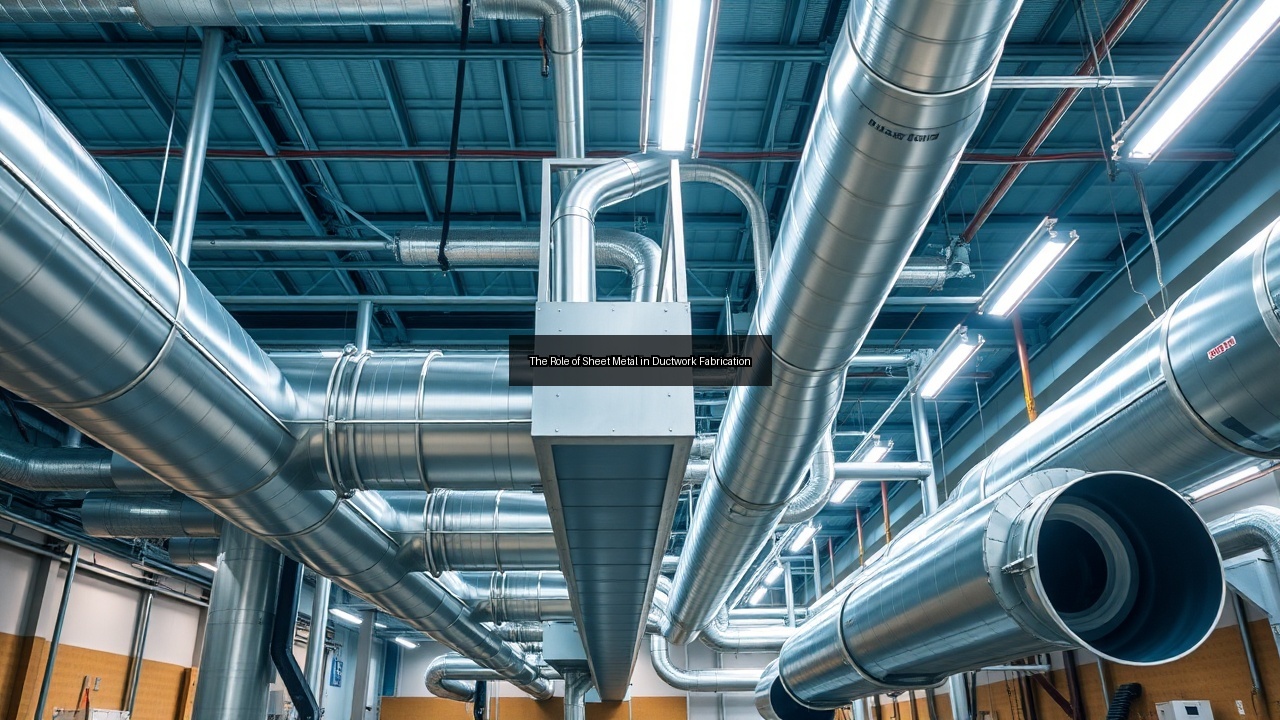
Sheet metal serves as the primary material for most duct construction because it offers strength, formability, and longevity. Fabricators cut, bend, and join galvanized steel or aluminum sheets into rectangular, round, or spiral shapes that match exact system layouts. These ducts handle high-velocity airflow while maintaining structural integrity under varying temperatures. Unlike flexible alternatives, sheet metal resists punctures and maintains consistent diameters that prevent turbulence. Professionals choose this material for its ability to support insulation wraps and fire-rated coatings when codes require them. Ductwork fabrication with sheet metal also allows easy integration of dampers, transitions, and access doors for maintenance access. The result delivers clean lines and dependable performance in both new construction and retrofit applications.
The Fabrication Process of Sheet Metal Ducts

Materials Used in Duct Fabrication
Galvanized steel remains the standard choice for duct fabrication because its zinc coating protects against rust in humid environments. Fabricators also select aluminum for lightweight applications where corrosion resistance matters most, such as coastal installations. Stainless steel appears in specialized settings that demand hygiene or extreme temperature tolerance. Each material arrives in coils or sheets of specific gauges that determine rigidity and weight. Insulation liners and sealants complete the material list, ensuring thermal efficiency and airtight joints. Ductwork fabrication teams match material grades to project specifications so that every air duct meets pressure class requirements and local building codes. Proper material selection directly influences system longevity and maintenance intervals.
Steps in Ductwork Manufacturing
Manufacturing begins with detailed shop drawings that translate architectural plans into cut lists and assembly sequences. Workers shear flat sheets to precise dimensions before feeding them through roll formers or press brakes that create seams and stiffeners. Lockforming machines then produce Pittsburgh or snap-lock edges that allow quick field assembly. Welders or riveters secure fittings such as elbows, tees, and reducers. After assembly, crews apply sealants to every joint and test sections for leakage before shipping. This systematic ductwork fabrication process guarantees that each piece fits together without field modifications that could compromise airflow performance. Quality checks at every stage catch dimensional errors early.
Tools and Technology in Sheet Metal Fabrication
Modern duct fabrication shops rely on CNC plasma cutters and laser systems that produce clean edges at high speed. Computer-aided design software converts BIM models directly into machine instructions, eliminating manual layout errors. Hydraulic press brakes form complex angles with repeatable accuracy, while automated coil lines feed and cut material continuously. Hand tools such as cleat benders and seamers still play roles during final assembly and field adjustments. These technologies shorten lead times and improve consistency across large ductwork fabrication projects. Shops that invest in updated equipment deliver tighter tolerances and smoother interior surfaces that enhance overall system efficiency.
Types of Duct Systems and Their Applications
Overview of Different Duct Types
Rectangular duct remains common in commercial spaces because it fits easily into ceiling plenums and supports high air volumes. Round spiral duct offers lower friction loss and faster installation in exposed applications such as warehouses and retail ceilings. Oval duct provides a compromise when space constraints rule out full round sections. Fabricators also produce double-wall duct for sound attenuation or thermal protection in critical environments. Each type serves specific airflow demands and architectural constraints. Selecting the correct configuration during ductwork fabrication prevents excessive pressure drops and noise issues later in operation.
Advantages of Sheet Metal Ductwork
Sheet metal ductwork withstands higher static pressures than flexible or fiberglass alternatives, making it suitable for large HVAC systems. Its smooth interior surfaces reduce friction and improve airflow efficiency over long runs. Metal ducts also accept a wide range of insulation and lining options that meet fire and acoustic requirements. They resist physical damage during construction and maintain shape under load. Because fabricators can create custom fittings on demand, sheet metal adapts to irregular building layouts without performance compromises. These traits make metal the preferred choice for projects that prioritize durability and low maintenance.
Comparison with Other Duct Materials
Flexible duct offers quick installation but creates higher pressure loss and requires careful support to avoid sagging. Fiberglass duct board provides built-in insulation yet remains vulnerable to moisture damage and microbial growth. Plastic duct appears in corrosive environments but lacks the strength needed for high-velocity systems. Sheet metal ductwork fabrication delivers superior rigidity, fire resistance, and longevity compared with these options. While initial costs may exceed flexible materials, metal systems reduce energy consumption and replacement frequency, delivering better long-term value for most commercial and institutional buildings.
Calculating Duct Length and Airflow Efficiency
Using Calculators for Duct Length
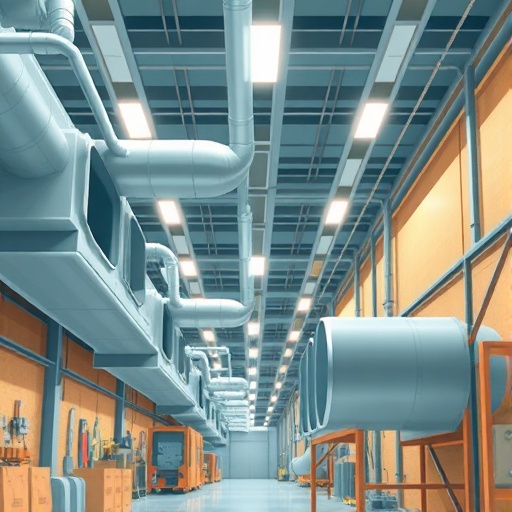
Designers rely on duct length calculators to determine total developed length before ordering materials. These tools account for straight runs, elbows, transitions, and offsets so fabricators receive accurate cut lists. Inputting ceiling heights, equipment locations, and diffuser positions generates precise measurements that minimize waste. Accurate length calculations also help estimate pressure losses and fan requirements early in the planning phase. When teams use reliable calculators during ductwork fabrication, they avoid costly field corrections and maintain project schedules. Digital tools now integrate directly with CAD files for seamless data transfer from design to production.
Impact of Duct Size on Airflow
Duct size directly governs velocity and static pressure within HVAC systems. Undersized ducts create excessive noise and strain equipment, while oversized sections waste energy and space. Proper sizing balances required airflow volume against available installation clearance. Fabricators adjust dimensions during manufacturing to accommodate insulation thickness and connection tolerances. Correct sizing also prevents condensation issues in cooling applications. Attention to these factors during ductwork fabrication ensures that delivered air reaches every zone at the intended volume and temperature.
Optimizing HVAC Duct Design for Performance
Optimized HVAC duct design minimizes the number of fittings and sharp turns that increase resistance. Straight, properly sized runs combined with smooth transitions support efficient fan operation and lower utility bills. Fabricators collaborate with engineers to locate equipment and trunk lines that shorten overall duct length. They also incorporate balancing dampers and access points that simplify future adjustments. When optimization occurs early, the resulting ductwork fabrication produces systems that meet performance targets without excessive commissioning corrections.
Choosing Duct Fabrication Services

Criteria for Selecting Ductwork Fabrication Services
Project managers evaluate fabrication partners based on shop capacity, quality certifications, and delivery reliability. Shops with in-house engineering support can refine designs and resolve conflicts before production begins. Experience with specific materials and pressure classes matters for complex installations. Clear communication about lead times and change-order procedures prevents surprises. Selecting a provider that maintains rigorous quality control during every stage of ductwork fabrication ensures consistent results and fewer field issues.
Benefits of Custom Duct Solutions
Custom duct solutions allow exact fits around structural elements and existing equipment. Fabricators produce non-standard transitions and offsets that reduce the need for field modifications. This precision improves airflow paths and eliminates gaps that cause leakage. Owners gain systems tailored to their building layout rather than forcing standard pieces into awkward spaces. Custom work also supports unique aesthetic or acoustic requirements that off-the-shelf products cannot address.
Future Trends in Ductwork Fabrication
Automation continues to advance ductwork fabrication through robotic welding and fully integrated coil lines. Building information modeling now drives direct-to-machine production, reducing errors and material waste. New coatings and sealants improve corrosion resistance and airtightness in demanding environments. Prefabricated modules with integrated insulation and fire protection speed installation on large projects. These developments promise faster turnaround and higher performance standards for HVAC duct systems in coming years.